





Great Barrier Reef Tours - Cairns
The Best Place To See The Great Barrier Reef In Australia?
Cairns is the main gateway to the Great Barrier Reef, one of the Seven Natural Wonders of the World and a UNESCO World Heritage Site. Daily reef tour departures from Cairns Marlin Marina give visitors access to both inner and outer reef systems, with options including:
- Half-day reef tours - great for those short on time, families and non-swimmers
- Pontoon day trips - great for everyone with a range of activities for families, snorkellers, scuba divers and non-swimmers
- Island day tours - popular islands like Fitzroy Island, Green Island, Frankland Islands, Low Isles
- Reef & heli combo tours - an amazing way to combine your reef tour and scenic helicopter flight over the reef
- Scuba diving day tours - most Cairns reef tours include options for certified scuba diving and introductory scuba diving.
- Liveaboard dive tours - from overnight dive and snorkel tours to multi-day 3-7 night liveabaords to the Cod Hole, Shark Dives and seasonal swim with Minke Whale dive expeditions.
Cairns is reknown as the best place in Australia for visitors to see the Great Barrier Reef, as it is strategically located near the most prime coral reefs and islands of the Great Barrier Reef enabling guests to reach these islands, reefs and coral cays in the shortest amount of time. Guests can be snorkelling coral reefs when they alight from a fast 35 minute boat ride from Cairns.
With the ease of access to the reef that the Cairns and Port Douglas regions afford, visitors could be in the water scuba diving and snorkelling in under an hour - Cairns and Tropical North Queensland is the best departure point to take a Great Barrier Reef tour for so many more reasons as explained below.
Firstly one of the top reasons millions of people visit Cairns in Queensland Australia is to experience the wonders of the Great Barrier Reef on a tour.
There are many and varied choices of tours that can be enjoyed either be on a liveaboard dive boat, a dive and snorkel tour on a day boat, a scenic helicopter flight, a fishing tour or even on a luxury holiday on board a magnificent superyacht.
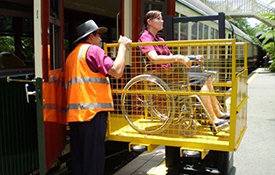
Great Barrier Reef tours are designed to cater for and look after all sorts of visitors and enable everyone to enjoy the sights of the reef. Tours are designed and available for all visitors including accessible reef tours for disabled travellers, families with young children, families with teenagers, non-swimmers, professional scuba divers, keen anglers, and those who travel in style on luxury superyachts.
The amazing array of marine wildlife, and exotic coral reef colours that make up Australia's Great Barrier Reef, cannot be found elsewhere in the world.
Cairns and Port Douglas offer visitors the fastest access to the best parts of the Great Barrier Reef for snorkelling and scuba diving. It only takes around 35 minutes to 1 hour or for the outer reef 90 minutes dependant on your water craft.
Great Barrier Reef tours depart 365 days of the year and Cairns and Port Douglas offer the ideal departure points for snorkelling and scuba diving day trips and overnight reef trips to see the best of outer Great Barrier Reef. Some of the most exotic and rare scuba diving and snorkelling spots in the world are just a short distance from the city of Cairns and Port Douglas, courtesy of dozens of reef tour companies.
Australia's Great Barrier Reef is an exotic playground twice the size of Tasmania, just waiting to be explored by snorkellers and scuba divers. As mentioned non-swimmers can also experience the reef with a range of options available including semi-submersible submarine tours, glass bottom boat tours, helmet diving, helicopter flights, airplane scenic tours and more.... See more Reef Day Tours.
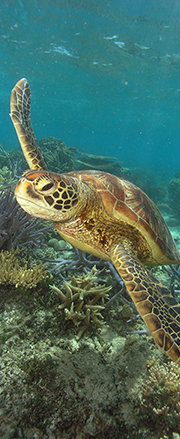
Australia's Great Barrier Reef has been a focal point for the eastern coast of Tropical North Queensland Australia for centuries. This massive living coral structure stretches from Bundaberg beyond the northern tip of Australia protecting the coastline from surf and providing nurseries for migrating Humpback and Dwarfe Minke whales and other rare and endangered marine life such as the Dugong and Green Sea Turtles.
The magical colours of the ocean and the coral reef intrigued Captain James Cook, an English captain who claimed Australia for Britain in 1770, until he accidentally struck the sharp coral and punched a gaping hole in his vessel Endeavour. The explorer was able to repair the hole in his boat in the Cooktown River and return home to Britain, but not without experiencing the full wrath of Australia's Great Barrier Reef coral.
Since that time, the Cairns and Port Douglas Great Barrier Reef has been a constant source of fascination for everyone who encounters it from not only the land but also from outer space.
Cairns and Port Douglas in north Queensland offer the fastest access gateway to the Great Barrier Reef - the world's largest, most spectacular coral reef system – where scuba diving, snorkelling, sailing, cruising and island hopping are a part of everyday life.
Tourists the world over have the Great Barrier Reef on their bucket lists as a must see destination at least once in their life and most choose to take a snorkel or scuba diving trip from Cairns or Port Douglas as these ports offer a fast boat ride out to the fertile snorkelling grounds of the Great Barrier Reef.
Here you can discover a whole new underwater world and greet over 6,600 species of flora and fauna, including 1,500 species of fish, 4,000 species of molluscs and 400 types of reef coral. Over 30 boat tours depart for the Great Barrier Reef and islands daily from Cairns and Port Douglas, the only hard part about getting to the Great Barrier Reef is deciding which reef tour boat to go on!
Cairns and Port Douglas Great Barrier Reef tours offer a range of activities including snorkelling, introductory or certified scuba diving, and live aboard dive courses and dive trips with multi lingual, professional tutorage.
For those who prefer to stay dry but still want to see the reef, spacious pontoons, semi submersible submarines and glass bottom boats provide popular introductions to the Cairns, Port Douglas Great Barrier Reef, and helmet dives and motorised underwater scooters allow you to reach the ocean floor without even getting your hair wet! These weird and wacky underwater devices make fantastic fun holiday photos, too.
In Cairns and the Great Barrier Reef, escaping to a tropical island is not a dream, it's a reality. From uninhabited secluded retreats to lively tropical islands full of day trippers, luxurious island resorts to beach camp sites on deserted islands; all of our 17 islands are pearls of Australia's Great Barrier Reef. But don't just take our word for it – come and see for yourself!
A trip from Cairns or Port Douglas to the Great Barrier Reef is a holiday you won't forget. Beautiful reefs to snorkel, exotic fish to find and photograph, clear warm water and the hot sun combine to make a glorious experience. Whether you are interested in deep – sea scuba diving among giant Humpheaded Maori Wrasse, or paddling in shallow water surrounded by tiny fish on the edge of an idealic coral sandy cay, Australia's icon the Great Barrier Reef is a place you must visit not once but several times as each time you will discover something new.
Tropical Far North Queensland; specifically Cairns, Port Douglas and Mission Beach are the best places to see The Great Barrier Reef and base yourself to explore the coral reefs because it is the shortest boat ride in proximity to the coral reef than any other place on the east coast of Queensland Australia.
Reaching the Great Barrier Reef from Cairns and Port Douglas only takes from 35 minutes to one and a half hours depending on your boat type and the location you are going to snorkel and scuba dive, whereas from everywhere else on the east coast of Australia it takes two and half to three hours to reach the snorkelling and diving spots of the best sections of the Great Barrier Reef.
If you were to catch a ferry to Green Island and you went with Great Adventures you will be there in 45 minutes and with Big Cat Cruises its just over 1 hour. For a ferry boat ride to Fitzroy Island you are looking at around 45 minutes and for Low Isles off Port Douglas it again depends on your watercraft and can take from 30 minutes to an hour.
You may wish to even get to the reef faster on a Helicopter Scenic Flight from Cairns or Port Douglas


Great Barrier Reef Tours - Cairns - Port Douglas
Everybody is different, and we all like different sorts of experiences. Thankfully, there are MANY Cairns and Port Douglas reef trips to choose from, and usually the greatest problem is choosing which boat tour to go on and visit the Great Barrier Reef in the way that suits you and your partner or family.
We have broken down all the Great Barrier Reef trips into an easy to read format, just click on the category you think might apply to you - to help choose the best Great Barrier Reef tour to suit you.
- Great Barrier Reef Trips for Non-Swimmers
- Great Barrier Reef Trips for Families with Children
- Day Trips with Introductory Diving (medical required)
- Liveaboard Dive Trips from Cairns
- Attain a Scuba Dive Certificate
- Relaxing on a Cairns Tropical Island, Half Day / Full Day or Low Isles
- Snorkelling & Glass Bottom Boat Tours
- Luxury Private Charter Boats
- Scenic Helicopter Flights over the Great Barrier Reef Half Day Great Barrier Reef Tours
- Half Day Great Barrier Reef Tours
- Cairns and Port Douglas Great Barrier Reef Accommodation Packages including Reef Trips
You have many options for a visit to the Great Barrier Reef. You can choose from:
- Half-day snorkel and scuba diving tours
- Full-day snorkelling and scuba diving tours
- Overnight scuba diving and snorkelling tours
- Multiple-night scuba dive and snorkel trips
- Luxury yacht charters
Deciding what Great Barrier Reef tour option to take depends on how keen you are to scuba dive the reef and also how much time you have to spend in Cairns or Port Douglas Queensland Australia.
If you are travelling from overseas to visit the Great Barrier Reef just make sure you allocate enough days to visit Cairns and all the other attractions in the region as there is so much to see and do. If the weather is not a good day for a reef trip then a day tour exploring the Atherton Tablelands could be the perfect alternative.
Great Barrier Reef Half Day And Full Day Tours
The half-day reef trip gives you the luxury of slotting a visit to another Cairns or Port Douglas sightseeing tour or attraction into your day for either the morning or afternoon.
The reef boat journey can take from 45 minutes to 90 minutes dependant on your island destination and that will give you around two hours of snorkelling and scuba diving adventure.
Day trips usually leave Cairns or Port Douglas at about 8am and return to Cairns at 5:30pm. This allows you more time to experience the reef without needing to check your watch and you will be back in your Cairns holiday accommodation in time for sundowner drinks.
All Great Barrier Reef trips from Cairns and Port Douglas include morning tea, buffet lunch and afternoon tea to suit all palletes. Some even offer tea and coffee and danish pastries and muffins when you first board the boat in the morning.
Take a look at one of the most popular half day reef trips from Port Douglas to Low Isles.
Children on the Great Barrier Reef
Children are fully catered for on most reef trips and some more than others. Snorkelling gear, down to the smallest sizes, is available for kids. Also, small floatation vests and pool noodles are on board for children to hold onto while swimming. Some of the larger boat pontoons also have safe swimming enclosures for the little ones to paddle around in safely whilst the parents take it in turns to snorkel and dive. The children's swimming enclosures are on pontoons located on the outer Barrier Reef from Cairns.
Some of these bigger pontoons have a kids club program during the school holidays so that the parents can go off together and enjoy a snorkel or dive. Here is some advice for families taking kids to the Great Barrier Reef in Australia from Cairns and the Whitsundays.
Take a look at the most popular family friendly tours from Airlie Beach and Cairns.
Scuba Diving The Great Barrier Reef
Most people who scuba dive on Australia's Great Barrier Reef have never experienced anything like it before. If you are not a certified diver, introductory dives are available on most of the tour boats. You will need to complete a health questionnaire and participate in a short scuba diving theory lesson for an hour or so prior to taking your first leap into the amazing underwater world of the Cairns Great Barrier Reef.
Scuba Diving Areas Of The Great Barrier Reef
Places like Green Island, Fitzroy Island, Michaelmas Cay, Frankland Island, Moore Reef and Arlington Reef are in close proximity to Cairns and Port Douglas and are ideal for day trips. These locations have exotic reef life and extensive marine animal activity. They are great if you are visiting the reef for the first time. Green Island and Fitzroy Island have resorts and dining facilities, bathrooms, and Resort Accommodation.
For the purposes of visiting areas of the Great Barrier Reef, it is best to divide the reef into sections. The Inner Reef is most easily accessed on day trips and these reefs are close in proximity to the shore. Outer Reefs take longer to reach, as outlined below and are classed as the more pristine and colourful reefs.
The Ultimate Dive Trips in the World - Scuba Diving The Coral Sea And The Cod Hole
The Far Northern Reefs and Coral Sea reefs are reserved for overnight liveaboard scuba diving trips or longer expedition type dive adventures where remote and unusual coral reef formations are located. These Coral Sea and Cod Hole overnight scuba diving livaboard boats are really designed to cater for the more experienced adventurous scuba diver as you dive in locations that you may experience some tidal drag and as you are not familiar with the surroundings you may lose your way if you are not so good on using your underwater diving equipment just yet.
However once you do become a certified scuba diver the Coral Sea and the world famous Cod Hole are places that you definitely need to tick off on your dive adventure list as the Cod Hole in the coral sea is classed as one of the most magical scuba diving locations in the world. Here you will meet with some amazing fish called Potatoe Cod. These Potato Cod are monsterous in size but super friendly and always on the lookout for a pat and a nibble of any food offerings, and it is the place for the world famous shark feeding frenzy dive!
The reef systems in the northern Coral Sea are world class and are visited regularly by researchers from the world over. The northern Coral Sea reef sytems are also the birthing nurseries for migrating Humpback Whales and the Dwarfe Minke Whales and it the only place in the world where you can swim with the inquisitive Dwarf Minke whales during the months of June & July from Cairns.
Scuba Dive With Sharks Amazing Liveaboard Coral Sea Scuba Diving Trips
Now this is serious scuba diving stuff amazing marine life encounters! 1000 metre vertical walls on the continental shelf with 40 metre (120+ft) visibility are common. This is where the Great Barrier Reef meets the depths of the Pacific Ocean and you meet sharks, so Grey Whalers, White Tips, Silver Tip Whalers, and circling scalloped hammerhead sharks patrol for food. Schools of Barracuda and large Dogtooth Tuna are always nearby.
This is where you can also go scuba diving with hundreds of hungry sharks and watch them from the oceans floor as they fight for their share of the food in the buckets above.
Scuba Diving with sharks on the Great Barrier Reef is not for the faint hearted but it is probably one of the biggest buzzes you will ever have in your scuba diving adventures. Scuba Diving in the Coral Sea is deep and can quite often have roaring currents. Trips are usually 3 to 5 days in length and include the world famous Ribbon reefs as well.
Read about our Dive with Sharks liveaboard reef trips here 1.) Coral Sea 7 Nights - 26 Dives 2.) Fly Dive Cod Hole 3 Nights - 12 Dives 3.) Fly Dive Coral Sea 4 Nights - 14 Dives
Other Ways To See The Great Barrier Reef
If you don't feel like you want to scuba dive and strap a tank of air to your back and turn into a human fish, a snorkel and mask can give you just as good a view of the coral reef systems and the fish that call it home. From the waters surface you can still view incredible coral reef structures and marine animals. Some of the most spectacular animals and corals are found in the first metre of water. It's also much cheaper to snorkel as your snorkel equipment is included in the reef tours ticket price along with all of your meals!
If you don't want to get wet but still want to see the coral reef and it's marine life then you have the option of viewing the reef from the comfort of glass-bottom boats, helicopter or fixed wing scenic flights, semi-submersible submarines and underwater observatories from the pontoons on the outer barrier reef. These facilities provide a wonderful clear view of the reef while keeping you dry.
Safety on Australia's Great Barrier Reef
Snorkelling and scuba diving on the Cairns and Port Douglas Great Barrier Reef is a very safe activity for all the family. The tropical waters are warm, calm and shallow and lack surf like other locations in Australia due to the barrier that the coral reefs provide. Only certified tour operators and trained guides who are proficient in first aid and safety regulations specified by the Queensland Government can take you on a reef trip. However, there are a few guidelines, tips and hints you should follow to ensure you have a safe and enjoyable snorkelling trip, whether it is just for a day or for an overnight trip.
Always wear sunscreen with a high SPF rating. Believe it or not, the sun is the most dangerous part of a reef trip on the Coral Sea. You're bound to see other fried visitors glowing red after a day on the reef, and you don't want that to happen to you and spoil the reest of your holiday. This is very important because intense tropical sunrays will target you from the sky and also from their reflection off the clear blue water. Reapply sunscreen every two hours if you are in the water.
- Avoid sitting out in the sun during the middle of the day.
- Wear a hat and sunglasses to protect your eyes.
- Do not swim or snorkel straight after you have eaten or if you have consumed alcohol.
- Follow all instructions from the boats crew aboard the reef boat.
- Swim in the designated areas only. Usually this is marked by buoys and rope, but use common sense and stay close to other people.
- If you are in trouble then raise one arm, and wait for assistance.
Also if you do get sea water in your mouth and you cannot blow it out the top of your snorkel gear then make sure you lift your head out of the water and empty your snorkel and start again. The reef boat crew are always on hand to assist first time snorkellers so do not be afraid to ask for help when needed.
Warning: Don't touch the coral reefs as they are protected and you may face a huge fine or even a jail term if found deliberately destroying or stealing pieces of coral from Australia's Great Barrier Reef.
If an emergency does occur, you are in good hands. Queensland's air-sea rescue services are among the most extensive and advanced in the world. Diver recovery systems, decompression chambers and dive medicine expertise can be accessed in any emergency from most points of the reef.
Read about Irikanji and Jelly fish and Marine Stinger Safety.
What to wear when visiting the Cairns and Port Douglas Great Barrier Reef
Not much.
For a day trip, your clothing can include shorts, T-shirt, swimsuit and hat. Essentials are sunscreen and sunglasses. If you are visiting an island or sand coral cay, bring some sandals or reef shoes.
For overnight livaboard reef trips, you'll also need to bring a warm shirt for the evening. Other than that, don't worry! You're in tropical paradise! Of course, you can't forget your camera so you can capture your magical moments at Australia's Great Barrier Reef. Try a reloadable underwater camera while your snorkeling or scuba diving and get some close ups of the fish!
Once you have seen Australia's Great Barrier Reef you can tick that off your bucket list and then start planning for you next amazing journey to another one of the world's famous icons. Ensure to ask us about creating a Great Barrier Reef package to suit you on your Cairns holiday.


Cultural & Historic Significance of Australia's Cairns and Port Douglas Great Barrier Reef
The Great Barrier Reef is also important for cultural reasons. Aboriginal and Torres Strait Islander groups of the coastal areas of northeast Australia maintain a strong spiritual connection with the ecosystem. Some examples can be found on Lizard Island and Hinchinbrook Island where there are spectacular galleries of indigenous rock art paintings in caves and cantilevered rock walls.
There are also about 30 shipwrecks of historic importance on the Great Barrier Reef. The hazards of navigation on Queensland's Great Barrier Reef, which were experienced by the very first explorers in the region, resulted in the construction of many lighthouses along the east coast of Australia and on outlying tropical islands and waterway entrances. Some of these lighthouses have particular historical importance such as the lighthouse at Lady Elliott Island, built in 1866 and still operating today. This light house was the first of many lighthouses to be built using a timber structure which was then clad with cast iron to protect it from the tropical weather.


The Great Barrier Reef
Australia's Great Barrier Reef has been described as one of the 7 natural wonders of the world, and there is little wonder why.
As a World Heritage Listed area, the 2600km plus stretch of coral reef is home to more species of plants and animals than any other area of this size in the world. The combination of glorious tropical weather, unspoilt Daintree Cape Tribulation rainforest, long white beaches, and warm blue water sets a scene for a tropical holiday in paradise. (Be aware though, during the green season from December to March, you may encounter tropical downpours at night with the bonus of waking up to beautiful sunny days just perfect for the reef with no trade winds around normally at this time of year unless you encounter a tropical low!) Australia's Great Barrier Reef is also reputed to have the cleanest and clearest body of water in the world.
The Great Barrier Reef is literally brimming with wildlife:
- Dugongs, Turtles, Dolphins, Humpback and Dwarfe Minke Whales
- More than 1500 species of tropical fish
- 4000 types of mollusc
- More than 200 species of bird life, and a lot that migrate annually from around the world.
You're likely to see marine creatures like:
- Moray eels
- Coral Trout
- Anemones
- Shrimp
- Star fish
- Sea cucumbers
- Sea whips
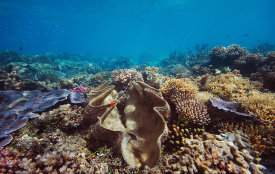
- Giant clams
- Potato Cod Fish (grouper)
- White tipped and Black tipped reef sharks (harmless to humans)
- Barracuda
- Lion fish
- Puffer fish
- Turtles
- Dugong
- Humpback and Dwarfe Minke Whales
- Dolphins
The Great Barrier Reef in Queensland Australia consists of more than 3000 reefs with 400 types of coral. Among the coral are 618 pristine tropical islands and 300 coral cays that look just the same in real life as they do in the holiday brochures at a tour desk or travel agency. The coral sand cays can be completely un-vegetated and disappear underwater at high tides. Others can be slightly vegetated and support a huge array of bird life, while some have trees and animals.
Green Island, only 45 minutes from Cairns aboard a fast ferry, and is a prime example of a wooded island cay. This Cairns island was naturally built up with coral over thousands of years. Birds from the mainland transported seeds to the cay, which eventually culminated in a beautiful tropical island that now supports a holiday resort and guest facilities and a marine park that has monsterous salt water crocodiles and rescued green sea turtles on display for tourists to enjoy whilst enjoying a day on Green Island snorkelling and scuba diving.
When you snorkel or scuba dive up close to the myriad of corals on the Cairns and Port Douglas Great Barrier Reef, you'll notice the intricate design and tiny features which make them so remarkable. Tiny coral polyps - jelly blobs covered with tentacles - are minuscule creatures that combine together to form colonies. Each polyp lives inside a shell of aragonite, a type of calcium carbonate which forms the hard shell of the coral. The polyps connect together to form elaborate forests of brilliantly coloured coral in all the shapes you can imagine. Some look like brains thus their name brain coral, some like deer antlers, some like dinner plates, and some reef coral looks like noodles.
Minute algae create the colour of the coral. Some corals are slow growing and can take hundreds of years to develop as big as a basketball. Others are faster growing.
The corals variation in shapes and colours between the hard and soft corals makes an amazing spectacle. One visitor said:-
"I'm convinced that Walt Disney designed the reef - it's almost too perfect. There were so many things to see that I got sensory overload on every scuba dive."


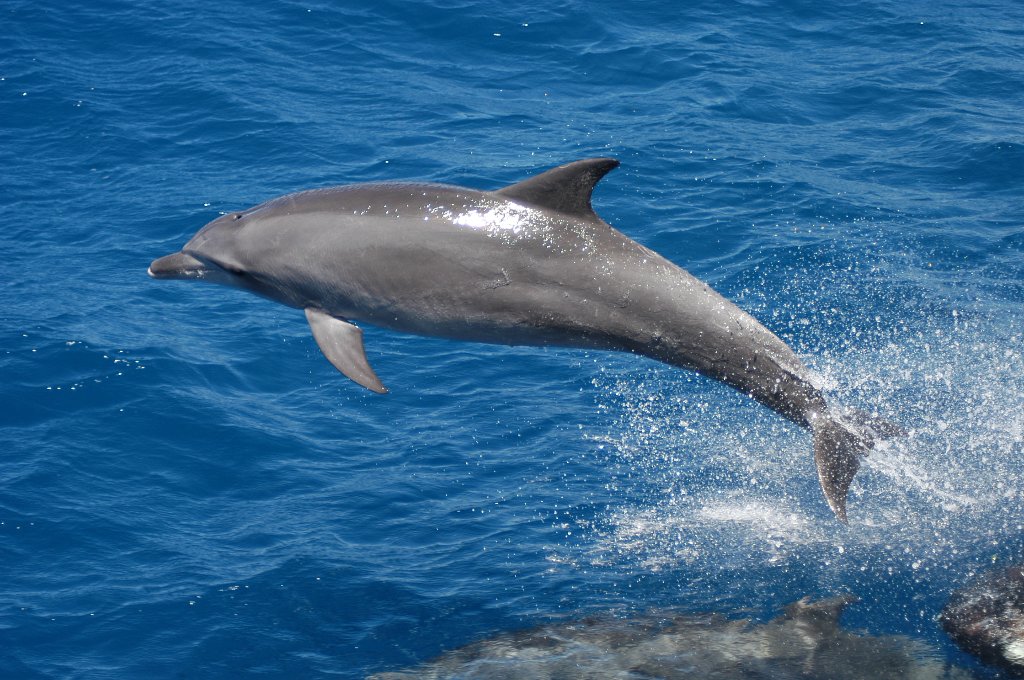
Great Barrier Reefs that surround Cairns
Cairns Inner Coral Reefs
These coral reefs are accessible by day boats and offer safe scuba diving in shallow waters. Due to the regular flow of water due to strong tides between the mainland and reef, whip and fan formations are common. Small colourful fish are also plentiful in these shallow waters.
Between coral bommies, stingrays are abundant and even the odd Dugong has been spotted feeding on the sea grasses. Birds are plentiful because of the islands and sand cays around that they can use a s resting place or nesting place. These sites are recommended for easy going first time casual introductory divers.
Cairns Outer Coral Reefs
Coral reefs on the outer edge of the Great Barrier Reef offer bigger variation in species, plus underwater canyons and gorges cutting mazes through the coral. The water in this area can also be clearer than shallow water on the inner reefs.
These outer Barrier Reef sites are recommended for all scuba divers. Experienced scuba divers will appreciate the wide range of corals and marine life, while inexperienced divers will be treated to a truly remarkable dive trip that will set a foundation for future exotic dives and encourage them to attain their certified diving certificate.
Cairns Far Northern Coral Reefs
The Far Northern Reefs include the Ribbon Reef system. This is a series of coral reefs stretching out like a multi-coloured ribbon to the north where the famous Cod Hole is located. Here, a family of friendly Potato Cod live with huge schools of fish and Hump Headed Maori Wrasse. Scuba divers swim among these enormous fish and 2m wide giant clams surrounded by hard and soft corals.
Manta Rays, the huge elegant rays, glide past making a shadow on the reef.
During night scuba dives, sleeping green turtles and a variety of sleeping reef fish can be seen.
An overnight or liveaboard trip to these reefs can be from overnight to around 4 to 5 days in length or even longer if you are really a keen scuba diver. Ensure to ask about our reef packages!


Disabled Visitors to the Great Barrier Reef
Cairns Tours and Attractions For Disabled Visitors
Cairns tour operators are very well equipped to cater for guests that may have any mobility and or handicapped issues and we have a dedicated page for you to read and take a look at all the wonderful tours and attractions you can participate in to ensure your holiday in Cairns and Tropical North Queensland is one for you to remember forever. Follow this link Here for Tours and Attractions
Cairns Accommodation for Disabled Visitors
Cairns Holiday Specialists have a complete list of all of the available hotels and resorts in the greater Cairns region that can cater for wheelchair bound guests or those that may have mobility issues of varying degrees.
Please have a look at the Cairns Accommodation Guide and click the box to search for disabled accommodation

Cairns Tropical Climate
Cairns Tropical North Queensland has glorious warm weather and sunshine most of the year. However, sometimes it is more humid than you may be used to and in the green season from December to March you may just get a welcoming soaking now and again with tropical downpours.
The most popular time of year to visit Cairns and the Great Barrier Reef is from May to December and this is classed as the peak season so obviously hotel costs and airline costs are more expensive than other times of the year. At this time of year the temperature is a just perfect for everyone and there is less chance of rain than other times of the year.
Needless to say, Cairns and Port Douglas is the tropical destination you were yearning for so the suns rays are strong and the air is warm. Make sure you wear a hat and sunscreen at all times while outdoors in the sunshine.
| Month | Air TempMax (°C) | Air TempMin (°C) | Humidity (%) | Surface WaterTemp (°C) | Av. Rainfall (mm) | Rain Days |
|---|---|---|---|---|---|---|
| January | 31.5 | 23.6 | 75 | 29.0 | 405 | 17 |
| February | 31.1 | 23.7 | 78 | 28.8 | 434 | 16 |
| March | 30.5 | 23.0 | 78 | 28.3 | 424 | 18 |
| April | 29.2 | 21.5 | 78 | 27.3 | 198 | 15 |
| May | 27.5 | 19.9 | 77 | 25.9 | 100 | 12 |
| June | 25.8 | 17.6 | 74 | 25.5 | 49 | 9 |
| July | 25.6 | 17.0 | 74 | 25.1 | 30 | 7 |
| August | 26.5 | 17.5 | 71 | 24.7 | 27 | 8 |
| September | 27.8 | 18.6 | 67 | 24.9 | 35 | 6 |
| October | 29.4 | 20.5 | 66 | 25.4 | 38 | 7 |
| November | 30.6 | 22.2 | 67 | 27.0 | 89 | 9 |
| December | 31.4 | 23.3 | 70 | 27.8 | 176 | 12 |


Great Barrier Reef Tour | Cairns | 3 Dive & Snorkel Reefs
- Departs From: Reef Fleet Terminal Cairns
- Duration:
5 hours to explore the Great Barrier Reef at 3 different sites
Return cruise approx 1.5 hours each way
Our Cairns Great Barrier Reef tour visits the best dive sites off Cairns including Flynn, Milln, Thetford and Pellowe Reefs, known for their abundance of marine life and water clarity. With a unique roaming permit and over 16 different sites to choose from, each site is chosen for ecological and visual diversity, and selected for the best experiences on the day.

Great Barrier Reef Tours | 2 In 1 Deal | Cairns Island and Outer Reef | GIGBRA
- Departs From: Reef Fleet Terminal, 1 Spence Street
- Duration:
7 hours (approx)
Cairns best value 2 in 1 Deal for Great Barrier Reef Cruises in Cairns today! The only reef trip day tour to do an island and ocean hop by adding a visit to the very popular Green Island to your Cairns reef trip itinerary first thing in the morning. Spend two hours exploring the Green Island and then continue by boat on to the Outer Barrier Reef platform on Norman Reef. Dive, snorkel, Scuba Doo, helicopter scenic flights and much more! This day tour departs at 8.30am and returns to Cairns at 5.30pm This is extreme value for money and you get to see and experience so much more than any reef tour can in just one day.

SUMMER SPECIAL - FRANKLAND ISLANDS
- Departs From: 169 Ross Road, Deeral, QLD 4871
- Duration:
9 hours (approx)
SUMMER SPECIAL | SAVE 15% | Travel Now - 28 Feb! The Frankland Islands are some of the most beautiful islands on the Great Barrier Reef. And for those that suffer seasickness it's the perfect option as it has the shortest trip to the reef. We are also the only reef trip option to this island. Such great value with a lot to offer, glass bottom boat, submarine and optional scuba diving and more!

Cairns Great Barrier Reef Tour | Sand Cay Experience | Michaelmas Cay
- Departs From: Cairns Reef Fleet Terminal
- Duration:
8.5 hours (approx)
Great Barrier Reef Tours Cairns. Cruising to Michaelmas Sand Cay a solitary sand cay in the middle of the Great Barrier Reef, spend a day snorkelling and diving . Instant book on line or call 1300 761 612 The most popular luxury day tour from Cairns. Enjoy a leisurely day on board this luxury sailing catamaran visiting the unique location of Michaelmas Cay where you can do activities as you like. Snorkelling, viewing the ocean depths in a semi-submersible submarine tour, trying a scuba diving lesson, taking a walk to see the huge amount of migratory birds nesting on the cay or just relaxing and soaking up the sun on this gorgeous little oasis in the middle of the reef. Perfect Cairns reef tour for non-swimmers and families as you can wade slowly into the water from the beach.

Fitzroy Island FULL DAY Tour Packages | Cairns | Great Barrier Reef
- Departs From: Cairns Marlin Marina
- Duration:
7.5 hours approx.
Cheap Great Barrier Reef Island tour. A great escape for the whole family awaits you on Fitzroy Island. Located 45 minutes boat ride from Cairns, Fitzroy Island is a continental Island, covered in pristine rainforest and is large enough to be able to escape the crowds. Just a 45 minute fast boat ride from Cairns, you will be snorkelling and diving around the island in no time. Cheap snorkel packages or upgrade to Glass Bottom Boat Coral Viewing tour, lunch. Cairns best value cheap island tour for nature lovers, backpackers or families.

Cairns Reef Trip | 20 Guests | Sailing Dive & Snorkel Tour | Outer Great Barrier Reef | SV-RD
- Departs From: Check in is at D Finger, Marlin Marina Cairns
- Duration:
2 hours sailing each way
4 hours at Upolu Reef
Leave the crowds behind and join our Great Barrier Reef tour from Cairns. Only 20 guests and 3 dedicated crew members. Visit up to 2 reef sites on the beautiful Upolu Reef. Snorkelling and scuba diving. Check in directly on board the boat in Cairns at 7.45am for an 8am departure, returning back to Cairns approx. 4.45pm – 5pm. A great budget reef trip for backpackers and families travellers alike not only for the cheap price but the inclusions for the day.

Cairns Reef Tours | Green Island Snorkel Tour | FULL DAY Great Barrier Reef Tour
- Departs From: Reef Fleet Terminal, 1 Spence Street, Cairns
- Duration:
5 Hours on Green Island - 9:00am Departure (Big Cat)
4 Hours on Green Island- 11:00am Departure (Reef Rocket)Return to Cairns at 5:00pm for both tours
Green Island is a tropical island paradise on the Great Barrier Reef. Snorkel, dive and swim in the warm island waters, view the spectacular reef from a semi-submarine or glass bottom boat, explore the National Park or just relax on the idyllic sandy beach. Departing daily at 9am, 11am and 1pm from Cairns.

Great Barrier Reef Tours | Cairns | Small Group | 2 Reef Sites
- Departs From: Reef Fleet Terminal Cairns
- Duration:
9 hours (approx)
Travel with us from Cairns to the Great Barrier Reef on a magnificent 25 meter custom designed sailing catamaran. We depart daily to beautiful Michaelmas Cay and Paradise Reef, giving you the choice of two destinations where you can soak up the sun, snorkel with the fish, scuba dive, glass bottom boat ride or simply enjoy sailing on a really special boat.

Snorkel Tour Port Douglas | Low Isles Snorkel Reef Trip | WD
- Departs From: Crystalbrook Marina Port Douglas
- Duration:
6.5 hours (approx.)
Low Isles is a tropical island paradise that lays just a short distance from the world famous village of Port Douglas on the Great Barrier Reef Sit back in the club style seating and enjoy your cruise on the luxury 30 meter catamaran Wavedancer in air conditioned comfort A fabulous day snorkeling and exploring the soft coral reef that is home to a wide array of colourful tropical reef fish A fully catered day so you only need to bring your swimmers, towel, hat and sunscreen and a great sense of adventure

Great Barrier Reef Tour | Cairns Pontoon | Dive-Snorkel | Helicopter | Glass Bottom Boat
- Departs From: Reef Fleet Terminal Cairns
- Duration:
90 minute cruise each way
4 hours on pontoon
Times are approximate
Whether you are an experienced scuba diver or even a non–swimmer, our Great Barrier Reef tours have been designed to enable you to see the reef in many ways. We have a brand new pontoon with a fantastic Spaghetti slide. Departing from Cairns 9.30am and returning at 5.30pm for a full day reef trip at picturesque Moore reef platform, you will spend 4 full hours exploring beautiful Moore reef from above the water and below the water.

Great Barrier Reef Tours | Cairns Snorkel & Dive Tours
- Departs From: Cairns, Marlin Marina, A Finger
- Duration:
Approx 1 hour return boat cruises
6 hours at 2 reef sites
One of the few reef tour boats that has a permit to dive and snorkel the World Famous “Wonder Wall” from Cairns on the Great Barrier Reef in Australia. This is a very personalised tour with only 75 guests on board and 1 dive master for every 2 introductory divers. You will visit 2 locations in 1 day and have a fantastic day with this fun professional crew. Just make sure you book early!

Cairns Dive Trips | 2 Day 1 Night | Cairns Liveaboard Dive & Snorkel
- Departs From:
- Duration:
2 days & 1 night
Amazing overnight Diving 2 Days 1 Night. You will get to experience the Great Barrier Reef, one of the Great Natural Wonders of the World, in a unique setting. We change the cruise to suit the activities you are interested in most. This is one of our personal touches that will make your Australian sail and dive experience one you will talk about for years.

Cairns Dive Trips | Luxury 3-4-7 Day Great Barrier Reef Tours
- Departs From: Cairns
- Duration:
Choice of 3, 4 or 7 Days
Join our 3, 4 or 7 night Great Barrier Reef diving expedition to world renown diving destinations of the Cod Hole, Ribbon Reefs, and Osprey Reef in the Coral Sea. These unique ecosystems showcase an amazing diversity from picturesque coral gardens crowned with delicate anemones and colorful reef fish to the 1000 metre walls of the volcanic atolls of the Coral Sea, home territory for reef sharks, whalers, schooling hammerheads, mantas, schools of barracuda and mackerel, and massive red and yellow soft corals. This is one of Cairns and Australia's most comfortably appointed live-aboard dive boats, with three decks of living space, generous cabins with private bathroom, and all the amenities of a hotel, complimented by first class meals and outstanding service.

Port Douglas Reef Tours | Great Barrier Reef Tours | QS
- Departs From: Crystalbrook Superyacht Marina Port Douglas
- Duration:
6.5 hours (approx.)
Port Douglas Reef Trip, Outer Barrier Reef cruise from Port Douglas with the most awarded reef cruise company in Australia Instant book on line or call 1300 761 612 MV - QS Cruises also has the added bonus of traveling out to one of the most spectacular Outer Barrier Reef pontoon sites on the Agincourt Ribbon Reefs from Port Douglas Queensland Australia. This reef trip is the perfect choice for those that suffer seasickness and those that wish to see and do as much as possible on the Great Barrier Reef in one day. Fly out or back in a helicopter to see the reef from above and then dive down below to see it up close. This is one Port Douglas reef tour you will remember for a lifetime.

Great Barrier Reef Tours | Best Combo Deals | Scenic Flight & Green Island Trip
- Departs From: General Aviation & Cairns Reef Fleet Terminal
- Duration:
9.5 hours approx
Cairns Combo Package Tours Save Big $$ Scenic Flight and Green Island Snorkel Tour Combo Package. 40-minute Scenic Plane Flight Over the Great Barrier Reef. 45 Minute Boat Cruise to Green Island, 4 Hours Swim, Snorkel or Glass Bottom Boat Instant Book On line or Call 1300 761 612

Cairns Helicopter Flight & Great Barrier Reef Tour | DUCD | Cruise Fly
- Departs From: Cairns
- Duration:
Fly/Cruise: 5 hours (approx.)
Cruise/Fly: 5 hours (approx.)
Fly/Fly: 3 hours (approx.)
Cairns helicopter flight and Great Barrier Reef Tour combo package deal. Depart Cairns by boat, dive and snorkel 2 reef sites and return on a 25 minute helicopter flight across the reef to land in Cairns like a rock star.

Great Barrier Reef Tours | Half Day Snorkel Tours | Cape Tribulation
- Departs From: Turtle Rocks Cafe and Jungle Lodge, Cape Tribulation Road
- Duration:
3.5 hours
Leave the crowds behind with our half day Great Barrier Reef snorkel tour. Only 24 fellow snorkelers on reefs that no other tour boats visit. The journey to these pristine reefs takes only 25 thrilling minutes in a rigid inflatable boat that is driven by 700hp engines and departs from the shores of Cape Tribulation in the Daintree Rainforest. Visit Undine and Mackay Reefs for two hours of snorkelling. A regular hotspot for turtles, also keep your eyes peeled for rays, little reef sharks, giant clams and the odd octopus passing by not to mention the many species of colourful resident fish.

Great Barrier Reef Tours | Only 25 Guests | Snorkel & Dive Tour
- Departs From:
- Duration:
9 hours (approx.) including sailing time
4.5 hours (approx) at Pinnacle Reef & Green Island
Join our small group Great Barrier Reef tour to explore Pinnacle Reef and Green Island on the Great Barrier Reef Marine Park of Australia. Sail to the reef in an unhurried way and lay back and enjoy the scenery. With only 25 guests on board you are in for some fun when the boats anchors at Pinnacle Reef just off beautiful Green Island. You are in deep water where you will see spectacular corals and a myriad of marine life below the clear blue waters surface. Try your first scuba dive on the Great Barrier Reef or ride the tender over to Green Island to do some beachcombing and exploring. This is a great value day tour for adventurous guests who love to relax and enjoy the day on the reef.

Great Barrier Reef Tour | Cairns Pontoon | Dive-Snorkel | Helicopter | Glass Bottom Boat
- Departs From: Reef Fleet Terminal Cairns
- Duration:
90 minute cruise each way
4 hours on pontoon
Times are approximate
Popular with families - Great Barrier Reef tours depart Cairns daily to the outer Great Barrier Reef pontoon that has the Spaghetti Slide that everyone is talking about.


Cairns Private Apartment in Harbour Lights Complex
 1-3 Bedrooms
  1-2 Bathrooms
  Restaurant
  Fitness Centre
  Pool
Pool  Cable Tv/Austar
  Elevator
  Guest Laundry
  Ocean Views
  Free WiFi
Cairns Apartments - Magnificently set overlooking Cairns Marina, these private holiday apartments within the Harbour Lights Complex offer modern accommodation in the heart of Cairns, near Reef fleet terminal. Choose from 1-3 bedroom holiday apartments.

Mercure Hotel Cairns
 Carparks
  Wireless Internet
  Bar
Bar  Daily Servicing
  Family Friendly
Newly refurbished hotel in the heart of Cairns! Only two blocks from Cairns Esplanade, the stylish Mercure Hotel Cairns is an ideal base to explore Cairns and the region.

Green Island Resort
 Internet Access
  Disabled Access
  Day Spa
  Resort Shop
  Heated Pool
  Breakfast Offer
Stay on the Great Barrier Reef in 5 star comfort at Green Island Resort. Complete with complimentary ferry transfers, non motorised water activities, glass bottom boat tour, snorkelling equipment,complimentary sunset drink and fish feeding daily. Snorkel Tours and outer Barrier Reef Trips available from Green Island Resort.

Fitzroy Island Resort
 24hr Reception
  Beach Front
  Swim Up Bar
Enjoy a relaxing getaway on the tropical Coral Cay of Fitzroy Island Resort - Choose from 4.5 Star Hotel Rooms, 1 or 2 Bedroom Holiday Apartments. Activities Packages available including Snorkelling Gear, Kayak Hire, Glass Bottom Boat Tours.

Cairns Colonial Club Resort
 Wedding Venue
  Childrens Pool
  Free Car Parking
  Free Night Offer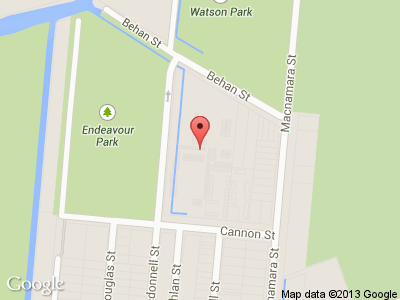
Cairns Colonial Club Resort is a popular family friendly resort set amongst 11 acres of tropical rainforest gardens, and conveniently located just 5kms from the Cairns Airport. A great base to explore Cairns attractions and visit the reef.

Lizard Island Great Barrier Reef
 Room Service
  Tennis Court
  Free Breakfast
All Inclusive Luxury Lizard Island Great Barrier Reef - Located 30 minutes from Cairns, Lizard Island Resort Great Barrier Reef offers the ultimate luxury Great Barrier Reef experience. Guests enjoy complimentary gourmet meals, beverages, snorkelling, water activites along with motorised dinghies to explore the remote pristine beaches. This exclusive island resort is an experience to cherish. One of the best places to see The Great Barrier Reef.

Cairns Plaza Hotel

Cairns Esplanade Hotel Located on the Cairns Esplanade the Cairns Plaza Hotel offers affordable waterfront accommodation in the heart of Cairns with an outdoor swimming pool, FREE car parking and FREE WiFi.

Cairns Holiday House
 BBQ Facilities
Cairns Holiday Houses are a great accommodation option for family holidays or groups travelling together. Explore Tropical North Queensland and the Great Barrier Reef at your leisure with the flexibility of a private holiday house in Cairns and Cairns beaches - Palm Cove, Trinity Beach & Clifton Beach.

Mantra Trilogy Cairns
 Weekly Servicing
Mantra Trilogy is located on Cairns Esplanade and features a range of accommodation options including hotel rooms and self contained holiday apartments. With day trips departing daily to Great Barrier Reef, Cairns is a great base to experience snorkelling and scuba diving on the Reef!

Breakfree Royal Harbour Holiday Apartments Cairns

Located on Cairns Epslanade and only a short walk to the Reef Fleet Terminal, Breakfree Holiday Apartments is a great base to explore Cairns and The Great Barrier Reef. Cairns Night Markets are located on the ground floor, offering a wide range of cuisines with a bustling atmosphere.

Mantra Esplanade Cairns Resort

Mantra Esplanade Cairns Resort is centrally located with the Reef Fleet terminal a short stroll and Cairns Lagoon directly opposite. Accommodation options include Hotel Rooms and spacious one and two bedroom apartments. After a day snorkelling the Great Barrier Reef you will enjoy returning to your hotel.

Cairns Queenslander Holiday Apartments

Cairns Queenslander offers comfortable accommodation a short distance from Cairns Esplanade including hotel rooms and holiday apartments. After a day snorkelling the Great Barrier Reef or perhaps Learning to Dive, the Cairns Queenslander is a great home away from home.
- Children stay FREE (4-14yrs)

Bay Village Tropical Retreat Cairns Resort

Enjoy a Great Barrier Reef holiday staying at Cairns Bay Village Resort - just a short walk from Cairns Esplanade. Choose from a range of comfortable accommodation from hotel rooms to self contained apartments along with Pool, Bar & onsite restaurant. Family rooms also available for family holidays.